Evidence question / How do design choices connect?
A sports helmet is a system, not a single material or a single test score. Its design connects intended activity, coverage, shell, liner, ventilation, retention, sizing, manufacturing and instructions for use. Each decision influences constraints elsewhere. A feature may improve one design objective while changing available space, mass, fit or structure. The useful question is not whether one component is “best” in isolation, but how the assembled product is intended to function and what evidence supports that intent.
Define the use before judging the design
Start with the activity, user and product type named by the maker. A helmet designed for one use should not be assumed suitable for another simply because its shape or materials look similar. Relevant standards and requirements depend on the intended category and jurisdiction. Check labels, product instructions and applicable rules from authoritative sources. A design claim without a clear use context is difficult to evaluate because the relevant hazards and performance questions have not been stated.
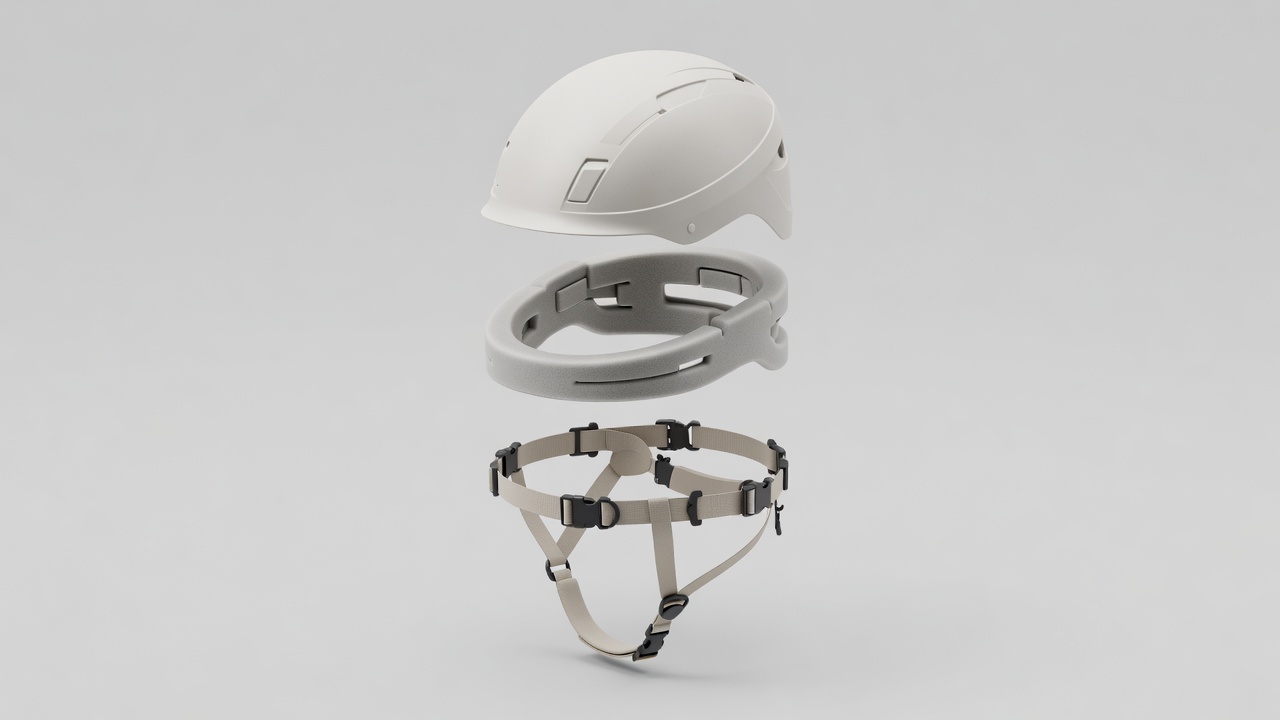
Coverage is one design decision among several. A shell shape determines which areas are covered, while vents and edges contribute to the overall geometry. Internal layers occupy space and must align with the shell. The retention system helps maintain position; the fit range helps determine who can use that shape appropriately. These components meet at interfaces where assembly quality and manufacturing consistency matter. A cutaway image can help explain the arrangement, but it cannot show whether every production unit meets specification.
Trade-offs belong in the evidence
Engineering design often involves balancing constraints. Ventilation openings may be needed for comfort or heat management, while the surrounding structure still has to meet relevant design requirements. Mass, coverage, fit range, durability and usability may compete for attention. The existence of a trade-off does not prove a product is deficient or superior. It signals questions that evidence should address. A comparative claim needs a defined measure, an appropriate test and a clear account of what was held constant.
Manufacturing processes are another link. Material choice alone does not determine a finished product. Molding, bonding, assembly and quality controls influence whether a design is realized consistently. Published studies may examine a prototype, selected production samples or one size. Those findings should not be casually generalized to different models or product lines. Seek the exact model, size and sample information where available, and distinguish design intent from observed specimen performance.
Connect claims to tests
A design feature becomes evidence only through a method that measures a relevant outcome. If a claim concerns impact attenuation, identify the impact protocol and measured response. If it concerns retention or fit, determine whether the method actually examines those features. If it concerns durability, look for conditioning or aging procedures. A test can be technically rigorous and still not answer the question implied by a broad marketing statement. Fit between claim and method is central to sound interpretation.
Compliance evidence and research evidence play complementary roles. A standard provides requirements and procedures within its scope. A research study can investigate specific mechanisms or compare conditions beyond a compliance question. Neither category should be inflated. A certification pass says that stated requirements were met under the standard’s method; it does not settle every question about individual fit, all impact modes or long-term use. A research result may identify patterns without creating a consumer guarantee.
Design for the wearer as well as the rig
Human factors connect engineering to everyday use. Clear adjustment instructions, intuitive closures, an appropriate size range and understandable care guidance can support correct use. A helmet that is difficult to position may not be worn as intended. Usability research can identify friction points, but such studies require careful methods and representative participants. A simple demonstration or reviewer impression is not the same as systematic evidence. When reading usability claims, inspect who participated, what task they performed and how outcomes were recorded.
Fit and condition change over time. Straps can be adjusted, components can wear, and a product may experience an impact. The maker’s instructions explain inspection and replacement guidance for the particular model. Visual inspection cannot always reveal internal damage. Treat care information as part of the product system, not an afterthought. The correct practical action depends on the manufacturer’s guidance and relevant professional advice; a general article cannot inspect a specific helmet.
Build a disciplined design reading
For each product claim, write down the intended use, the component or feature involved, the source and the exact test outcome. Note whether evidence applies to a prototype or production helmet, what conditions were covered and what remains open. Separate observations from inference. If a source compares two designs, verify whether protocols and samples make the comparison fair. If information is absent, record that gap instead of filling it with assumptions.
This approach makes engineering legible without promising certainty. It recognizes that a shell, liner, retention system and fit do not operate in isolation, while keeping the limits of published evidence visible. The result is a more careful question: what did this design and test establish, for which configuration, and what should a wearer or coach still verify? That question respects both the sophistication of safety engineering and the variability of real-world use.
Source note: use the product’s technical documentation alongside applicable standards and original studies. Verify current requirements with the responsible standards body.
From shell to retention
Neutral conceptual rendering; it does not depict a specific tested model or certify a design.